
Scientists Are Building a Supercomputer to Simulate the Human Brain
The future of computing is taking a giant leap forward—and it’s inspired by the most complex machine known to humanity: the human brain. Researchers are now developing a groundbreaking supercomputer designed to replicate brain activity at an unprecedented scale. This innovation could reshape artificial intelligence, neuroscience, and even how we understand human consciousness.
Let’s explore what this means and why it matters.
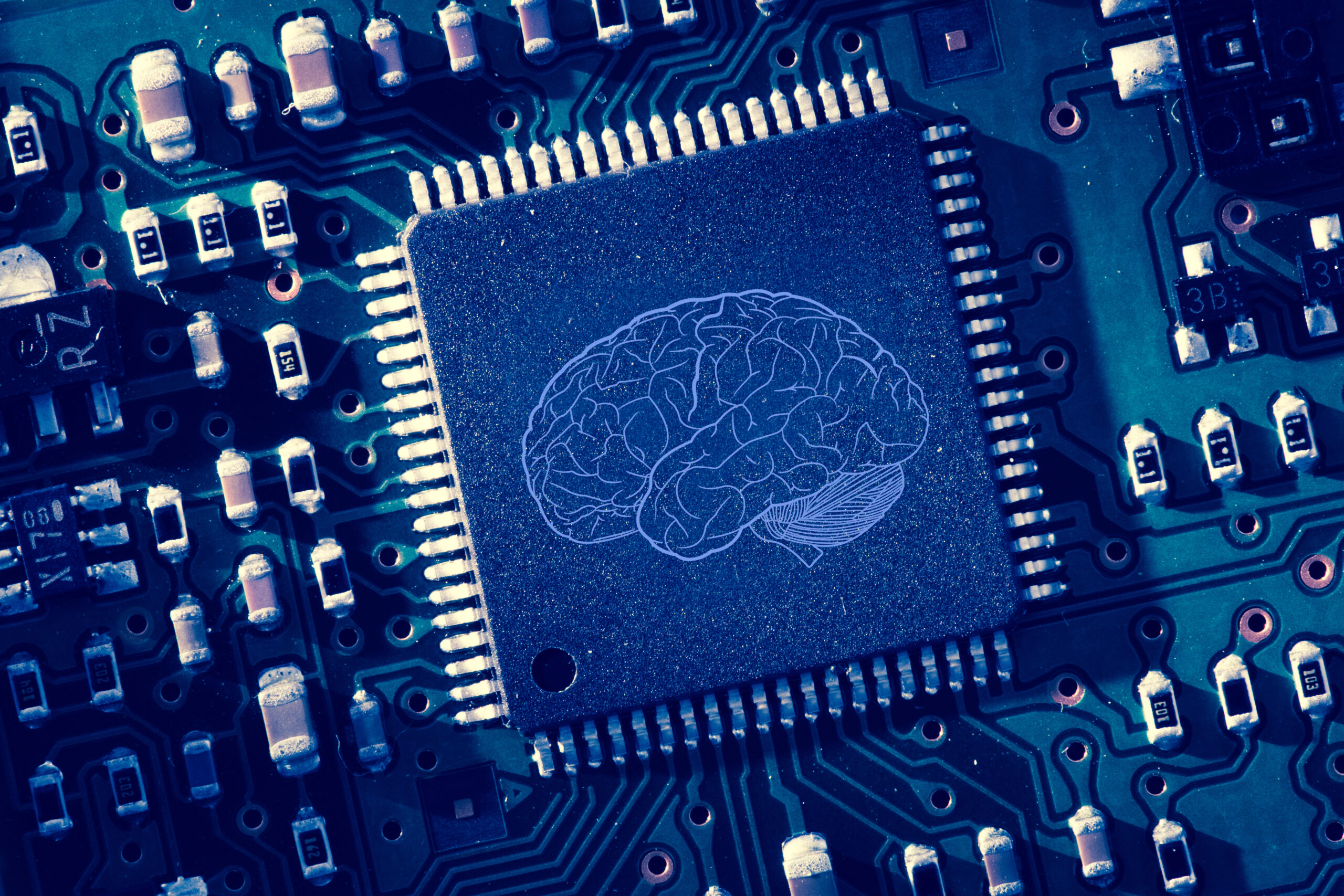
What Is DeepSouth and Why It Matters?
A team of researchers from Western Sydney University, in collaboration with tech giants Intel and Dell, is building a revolutionary supercomputer called DeepSouth. Unlike traditional systems, this machine is specifically designed for human brain simulation.
DeepSouth is expected to perform an astonishing 228 trillion synaptic operations per second—a number comparable to how the human brain processes information. This makes it one of the most advanced steps toward brain-scale computing.
The goal isn’t just raw computing power. Instead, the focus is on mimicking how the brain actually works, opening doors to breakthroughs in both neuroscience research and artificial intelligence systems.
How Neuromorphic Computing Works
At the heart of DeepSouth lies a concept called neuromorphic computing—a method that replicates the structure and function of the human brain.
Instead of processing tasks sequentially like traditional computers, neuromorphic systems use spiking neural networks, which simulate how neurons communicate through electrical signals.
This approach offers major advantages:
- Faster processing of complex data
- Lower energy consumption
- More efficient handling of large-scale neural networks
In simple terms, DeepSouth doesn’t just compute—it thinks more like a human brain.
Why Traditional Computers Fall Short
Conventional computing systems rely heavily on GPUs and CPUs to process data. While powerful, they struggle when it comes to simulating brain-like networks.
Here’s why:
- They consume massive amounts of energy
- They process data less efficiently for neural simulations
- Scaling them to brain-level complexity is extremely difficult
DeepSouth solves these challenges by minimizing data movement while maximizing parallel processing—making it a game-changer in high-performance computing.
The Future of Brain-Scale Computing
As DeepSouth becomes operational, it could redefine the boundaries of what machines can achieve. From advancing AI development to revolutionizing brain simulation technology, the possibilities are immense.
This innovation marks a shift from traditional computing toward systems that are not only faster—but fundamentally smarter.
The question is no longer if machines can mimic the brain—but how far they can go.
Source: Futurism
Share :