
How a USB Cable Can Spy on Everything You Type
In today’s hyper-connected world, even the most ordinary gadgets can carry extraordinary risks. Imagine plugging in a simple USB cable—something you use daily—only to realize it could secretly record everything you type. Sounds like science fiction? It’s not. A new wave of spy USB cables is proving just how vulnerable our devices—and data—can be.
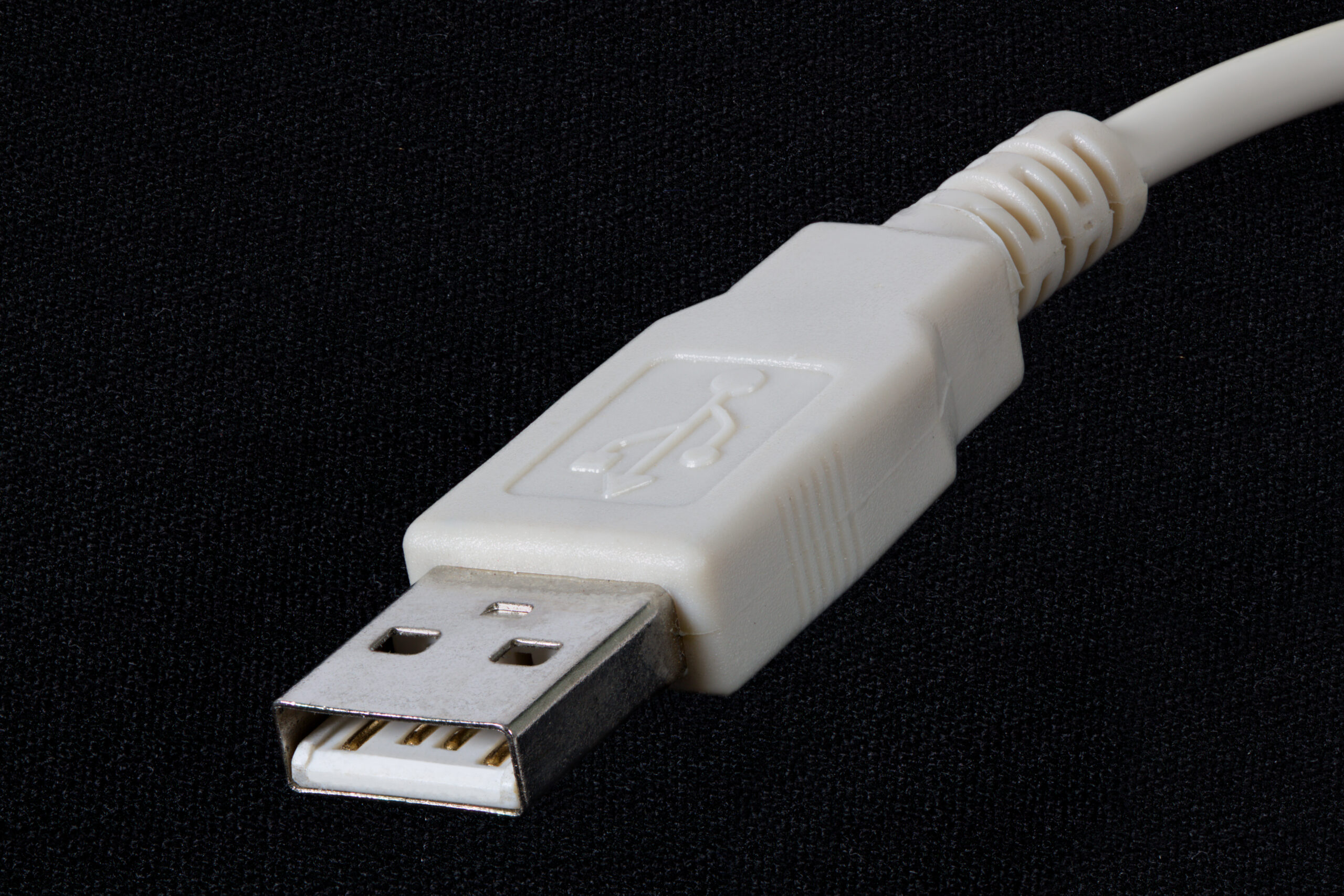
What Is a Spy USB Cable and How Does It Work?
A spy USB cable looks identical to any regular charging or data cable, but inside it hides a tiny, powerful computer. Developed by a pseudonymous cybersecurity researcher known as “MG,” this cable—often referred to as the OMG cable—is designed to capture every keystroke entered on a connected device.
Unlike traditional hacking tools, this one requires no suspicious software installation. Once plugged in, it silently logs keystrokes and can transmit the data wirelessly to a nearby attacker. This makes it a dangerous example of hardware-based cybersecurity threats, where the attack originates from a physical device rather than malicious software.
Inside the OMG Cable: Small Device, Massive Risk
What makes this cable especially concerning is its sophisticated internal design. Despite its normal appearance, the cable contains:
- A microcontroller (tiny computer)
- Wireless communication hardware (WiFi hotspot)
- Embedded web server
- Data transmission capabilities
This setup allows hackers to connect to the cable through a browser interface and monitor everything being typed in real time. Whether it’s passwords, emails, or financial data, the cable can capture it all without raising suspicion.
How Hackers Use USB Cables to Steal Data
The attack process is surprisingly simple:
- The victim plugs in the infected USB cable.
- The cable begins recording keystrokes instantly.
- It creates a hidden WiFi hotspot.
- The attacker connects to it via a browser.
- Data is accessed remotely without the user knowing.
This form of USB cable hacking is particularly dangerous because it doesn’t rely on software vulnerabilities. Even secure systems can be compromised if the hardware itself is malicious.
Why This Is a Growing Cybersecurity Threat
With reports suggesting these cables are being mass-produced for “security research,” the potential for misuse is significant. While tools like the OMG cable may be intended for ethical hacking or penetration testing, they can easily fall into the wrong hands.
This highlights a broader issue in cybersecurity awareness—people often trust physical accessories without question. Free cables from events, unknown vendors, or even online marketplaces can pose serious risks.
How to Protect Yourself from Spy USB Cables
Staying safe doesn’t require advanced technical knowledge—just a bit of caution:
- Avoid using unknown or free USB cables
- Purchase accessories only from trusted brands
- Use USB data blockers when charging in public places
- Regularly audit your devices and peripherals
- Stay updated on emerging hardware hacking risks
Being aware of threats like keystroke logging devices can significantly reduce your chances of falling victim to such attacks.
Final Thoughts: Trust Nothing, Verify Everything
The rise of spy USB cables is a stark reminder that cybersecurity isn’t just about software—it’s about everything we connect to our devices. As technology evolves, so do the methods used by hackers.
The next time you plug in a cable, take a second to think: Do you really know where it came from?
Source: Futurism
Share :