
The Rise of AI Smartphones
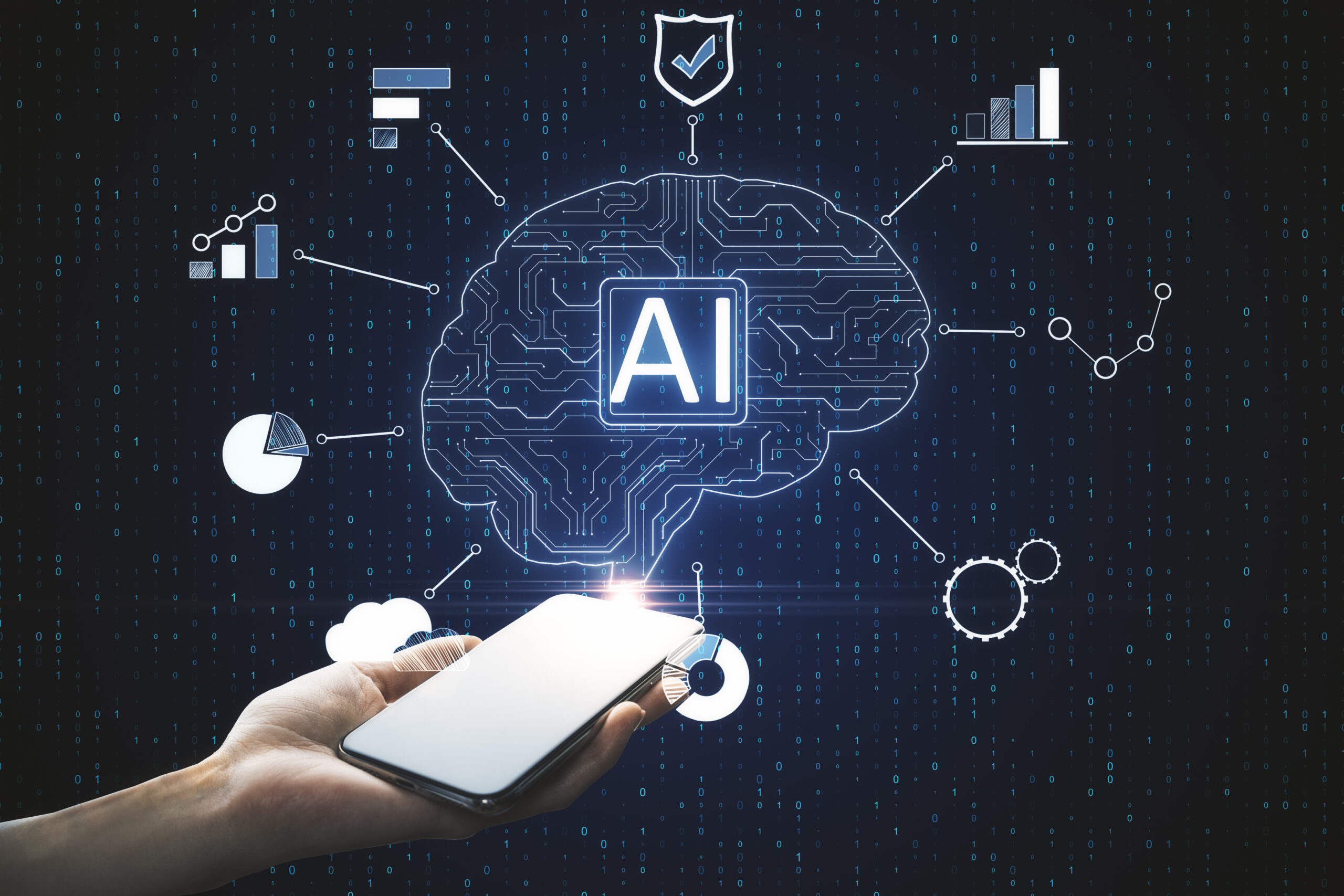
The smartphone revolution is entering a new phase—one powered by artificial intelligence at its core. The company that once made smartphones “smart” is now pushing the boundaries even further by embedding AI capabilities directly into mobile hardware. This shift isn’t just an upgrade—it’s a complete transformation in how devices think, learn, and interact with users.
Let’s explore how AI-powered chips are reshaping the future of mobile technology.
Why AI Smartphones Are the Future of Mobile Technology
Today, almost every smartphone claims to use AI or machine learning, but most rely heavily on cloud computing. This means your device often sends data to remote servers for processing, which can cause delays and raise privacy concerns.
The next generation of AI smartphones aims to solve this problem by running machine learning algorithms directly on the device. This approach, known as on-device AI, allows smartphones to process data instantly without needing an internet connection.
As a result, users can expect faster performance, improved responsiveness, and a more seamless experience—whether it’s voice recognition, image processing, or real-time translations.
ARM’s Breakthrough: Dedicated Machine Learning Chips
At the center of this transformation is ARM, a company known for designing the processors used in most smartphones worldwide. With its latest innovation, ARM has introduced dedicated machine learning chips designed specifically for mobile and smart-home devices.
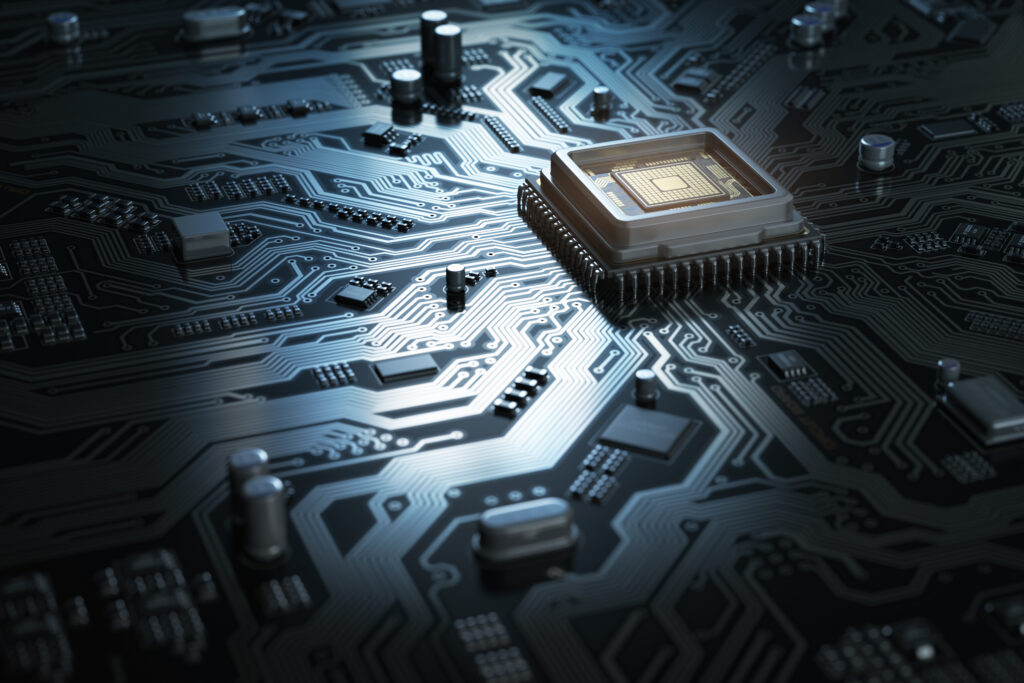
These chips are engineered to handle complex linear algebra computations, which form the backbone of modern AI systems. By optimizing how data moves in and out of memory, ARM’s processors deliver faster performance while consuming less power.
This breakthrough means smartphones can now run AI models efficiently without draining battery life—one of the biggest challenges in mobile computing.
From Cloud to Edge: The Power of On-Device AI
Traditionally, AI tasks required powerful cloud servers. But this setup comes with limitations, including latency and constant internet dependency.
With edge AI computing, smartphones can perform tasks locally. This shift offers several advantages:
- Faster processing speeds with minimal lag
- Offline functionality, enabling AI features without internet
- Enhanced data privacy, as sensitive information stays on the device
- Reduced data usage, lowering dependency on cloud services
This evolution marks a significant step toward smarter, more autonomous devices.
Competition in the AI Chip Space
ARM isn’t alone in this race. Major tech companies have already started integrating AI-focused hardware into their devices:
- Apple introduced its neural engine to power AI tasks like facial recognition and voice processing
- Google developed custom chips for advanced image processing in its smartphones
- Huawei launched its own neural processing unit (NPU) to enhance AI performance
Despite the competition, ARM holds a strong advantage due to its long-standing reputation for energy-efficient processor design, making its solutions highly attractive to manufacturers worldwide.
Energy Efficiency Meets High Performance
One of the biggest challenges in AI computing is balancing performance with power consumption. ARM’s machine learning chips are specifically designed to address this issue.
By analyzing workloads and optimizing processing efficiency, these chips reduce the energy required to perform AI tasks. This ensures that smartphones can handle advanced features without compromising battery life.
The result? Devices that are not only smarter but also more efficient and reliable for everyday use.
What This Means for the Future of Smartphones
The integration of AI hardware into mobile devices signals a major shift in the tech industry. As AI smartphones become standard, users can expect:
- Smarter personal assistants
- Advanced camera capabilities powered by AI
- Real-time language translation
- Improved security through on-device processing
- Personalized user experiences driven by machine learning
With companies like ARM leading the charge, the future of smartphones is not just connected—it’s intelligent.
Source: Futurism
Share :